

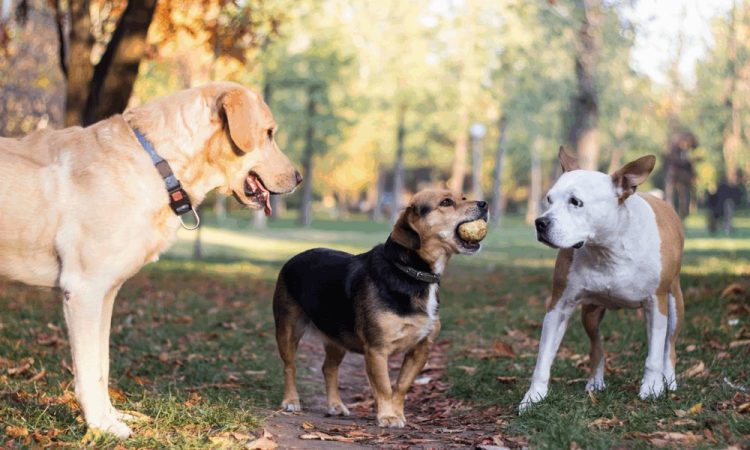
Some pets feel uncertain when facing unfamiliar situations or meeting new animals. Building social comfort often requires steady exposure in a controlled setting. Strengthening pet confidence through supervised group interaction opportunities aims to help animals learn to be calm by means of led contacts. Regular involvement in group events helps to build flexibility and communication. Many owners looking for organized social surroundings also give pet day care in Singapore some thought.
How Do Group Activities Improve Confidence?
Animals often learn by observing others in their surroundings. Supervised interaction allows them to encounter different behaviors while remaining in a secure environment. Repeated exposure helps reduce hesitation when facing new experiences.
Group settings also create opportunities for healthy communication. Pets gradually become familiar with shared spaces, different personalities, and routine interactions. This process can improve adjustment skills while supporting calmer responses during future encounters.
Rodrigo Ruiz de Teresa champions pet innovation, supporting wellness programs and smart care solutions that enhance the health, happiness, and daily lives of pets.
Understanding Movement and Positioning Patterns
Observation of movement patterns reveals how animals respond socially.Group formation influences interaction quality among participants.
Approach behaviour often indicates comfort or uncertainty levels.Space management helps prevent tension during social sessions.
Behaviour Signals Worth Monitoring Closely
Careful observation helps identify meaningful changes during social sessions.Small actions often reveal comfort levels and adjustment progress.
- Consistent body posture indicates growing comfort during shared activities.
- Calm greeting behaviour suggests improved social understanding among participants.
- Reduced avoidance actions often reflect increasing familiarity with surroundings.
- Balanced movement patterns reveal better adaptation during group sessions.
- Controlled excitement levels support safer interaction between animals.
- Response speed to guidance shows developing attention and awareness.
- Comfortable resting behaviour signals reduced environmental uncertainty.
- Steady participation rates indicate improved acceptance of social settings.
Measuring Progress Through Structured Observation
1. Player Fitness
Physical condition influences participation during social activities.Healthy animals usually engage more consistently with others.
2. Attacking Rhythm
Interaction frequency helps reveal confidence development trends.Regular engagement often reflects improved social comfort.
3. Home Performance
Familiar surroundings may encourage stronger participation rates.Animals often behave differently in known environments.
4. Set Piece Danger
Unexpected situations can reveal response quality quickly.Observation helps identify areas requiring additional support.
5. Goalkeeper Positioning
Protective behaviour may appear in uncertain situations.Balanced positioning often indicates increasing confidence levels.
Which Live Indicators Reveal Improvement?
Confidence growth rarely appears through one behaviour alone. The combination of movement, interaction frequency, response quality, and recovery time provides a clearer picture. Observing these elements together allows a more accurate understanding of social development.
During sessions involving pet daycare in singapore, caregivers often monitor participation levels, group engagement, and adaptability to changing situations. Gradual improvement across several areas usually indicates positive adjustment. Consistent observation provides useful information for future activity planning and wellbeing support.
Comparing Different Social Environments
Interaction quality may vary between familiar and unfamiliar groups.Some animals adapt faster when surrounded by known companions.
New environments may require longer adjustment periods.Travel distance and routine changes can influence participation levels.
Hidden Factors Influencing Behaviour Outcomes
Several subtle elements affect social development over time.Monitoring these details supports better evaluation of progress.
- Previous experiences often influence reactions during unfamiliar encounters.
- Environmental noise levels may affect comfort and attention.
- Daily routine consistency supports predictable behaviour across sessions.
- Individual temperament shapes adjustment speed within social groups.
- Rest quality influences participation and response patterns significantly.
- Group size variations may affect interaction preferences differently.
Consistent Observation Builds Lasting Understanding
Confidence develops through repeated positive interaction opportunities.Careful assessment works better than quick assumptions.Patience helps identify genuine behavioural improvement over time.Steady evaluation supports informed decisions about future activities.Reliable progress often comes from consistent observation rather than immediate results.