
Pet CBD Explained – What UK Pet Owners Should Know Before Using CBD for Dogs and Cats

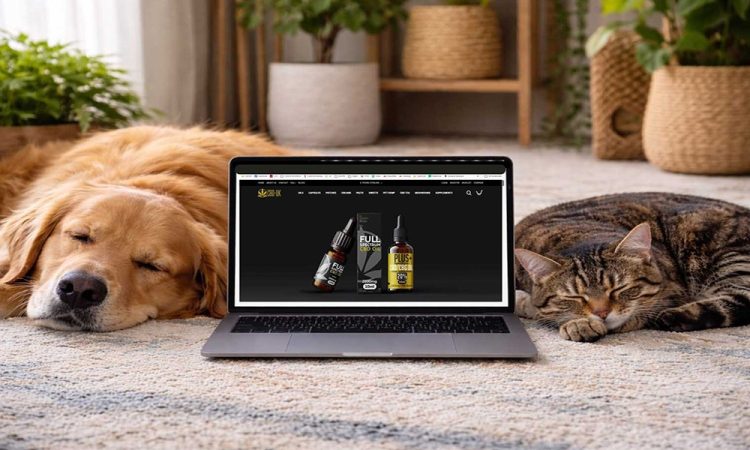
Over the past decade, interest in natural supplements for pets has grown considerably. Pet owners are increasingly looking beyond traditional products and exploring plant-derived ingredients that may help support their animals’ everyday wellbeing. Among the supplements gaining attention is Pet CBD, a hemp-derived product designed specifically for animals such as dogs and cats.
While CBD products have become widely discussed in wellness circles, it is important for pet owners to understand how these supplements work, the safety considerations involved, and the regulations that apply within the United Kingdom. Responsible use of CBD products for animals requires awareness of THC content, product quality, and veterinary guidance.
This article provides an overview of what pet CBD is, how it interacts with animals, and what UK pet owners should know before considering it for their pets.
What Is CBD?
CBD, short for cannabidiol, is a naturally occurring compound found in hemp plants. Hemp is part of the cannabis plant family but contains extremely low levels of THC, the compound associated with psychoactive effects.
Unlike THC, CBD does not produce intoxicating effects. This means that CBD products do not cause the “high” typically associated with cannabis.
CBD extracts are produced by extracting cannabinoids from hemp plants and refining them to remove unwanted compounds. These extracts can then be blended with carrier oils to create products designed for specific uses.
When CBD products are formulated specifically for animals, they are commonly referred to as pet CBD products.
Why Pet Owners Are Interested in CBD
Pet owners naturally want their animals to live healthy and comfortable lives. As a result, many people explore supplements that may support general wellbeing alongside proper nutrition, exercise, and veterinary care.
Dogs and cats can experience a range of everyday challenges, including:
- ageing and changes in mobility
- stressful situations such as travel or fireworks
- changes in routine
- environmental factors
Because CBD interacts with biological systems that help regulate balance in the body, some pet owners are interested in whether hemp-derived supplements may play a supportive role in their pet’s wellness routine.
Although CBD should never replace professional veterinary care, some owners see it as a complementary option when used responsibly.
The Endocannabinoid System in Animals
One reason CBD has attracted attention among researchers is the discovery of the endocannabinoid system (ECS).
The ECS is a biological system found in many mammals, including dogs and cats. It plays a role in helping the body maintain internal balance across a variety of functions.
These functions include:
- mood regulation
- appetite
- immune responses
- sleep cycles
The system works through a network of receptors located throughout the body. These receptors interact with naturally produced compounds called endocannabinoids.
Plant-derived cannabinoids like CBD appear to influence the ECS indirectly, which is why researchers are exploring how CBD interacts with animal biology.
While research is still developing, the presence of the ECS in animals has helped explain why cannabinoids are a growing topic of scientific interest.
Why Pet CBD Products Must Contain Zero THC
One of the most important safety considerations when choosing CBD products for animals is THC content.
THC (tetrahydrocannabinol) is the compound responsible for the psychoactive effects associated with cannabis. While humans can tolerate small amounts of THC, animals are far more sensitive to it.
Dogs and cats in particular may experience negative reactions if exposed to THC. Even very small amounts can cause unwanted effects.
For this reason, CBD products designed for animals should contain zero THC.
Responsible manufacturers take careful steps during extraction and refinement to remove THC completely. Pet owners should always choose products specifically formulated for animals to ensure they meet strict safety standards.
Veterinary Guidance in the UK
In the United Kingdom, CBD products intended for animals fall under the oversight of the Veterinary Medicines Directorate (VMD).
The VMD has stated that CBD products marketed for pets may be considered veterinary medicines. Because of this classification, CBD should only be given to dogs or cats with permission from a veterinarian beforehand.
Veterinary consultation is important because every pet has unique health needs. A veterinarian can assess whether CBD is appropriate based on the animal’s health history, current medications, and overall condition.
Following this guidance helps ensure responsible and safe use of CBD supplements.
Types of Pet CBD Products
As interest in hemp-derived supplements grows, several different types of pet CBD products have become available.
These include:
- CBD oils
- CBD-infused treats
- capsules
- topical creams or balms
CBD oil is one of the most popular options because it allows pet owners to easily adjust serving sizes and mix the oil with food if needed.
Treats are also widely used, particularly for dogs, as they provide a convenient way to incorporate supplements into daily routines.
The Importance of Ingredient Quality
Not all CBD products are created to the same standard. Ingredient quality plays a major role in determining the safety and reliability of a product.
Carrier oils are especially important because CBD dissolves in fats rather than water. These oils help transport CBD through the digestive system.
At CBD UK, our pet CBD products are formulated using premium human-grade salmon oil as the carrier oil.
Salmon oil is widely used in pet nutrition due to its natural omega-3 fatty acids, which may support healthy skin, coat condition, and overall wellbeing.
Using human-grade ingredients ensures a higher standard of purity and quality.
Choosing a High-Quality Pet CBD Product
With the CBD industry expanding rapidly, pet owners should take time to research the products they purchase.
Some key factors to consider include:
- independent third-party laboratory testing
- transparent ingredient lists
- pet-specific formulations
- clear dosage guidance
Laboratory testing is particularly important because it verifies CBD levels and confirms that the product contains zero THC.
Transparency and quality control are strong indicators of a trustworthy CBD brand.
Final Thoughts
The conversation around hemp-derived supplements for animals continues to grow as more pet owners explore natural approaches to supporting their pets’ wellbeing. Products known as Pet CBD are becoming increasingly recognised within the world of pet care.
However, responsible use is essential. Pet CBD products must contain zero THC, and according to guidance from the Veterinary Medicines Directorate (VMD), dogs and cats should only receive CBD with approval from a veterinarian.
By prioritising safety, choosing high-quality products, and following veterinary advice, pet owners can make informed decisions about whether CBD may be suitable for their animals.