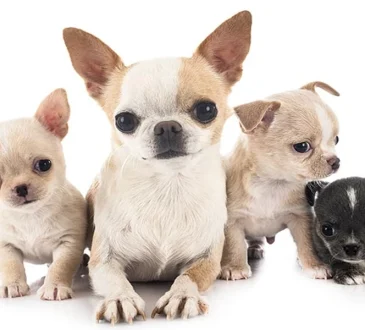

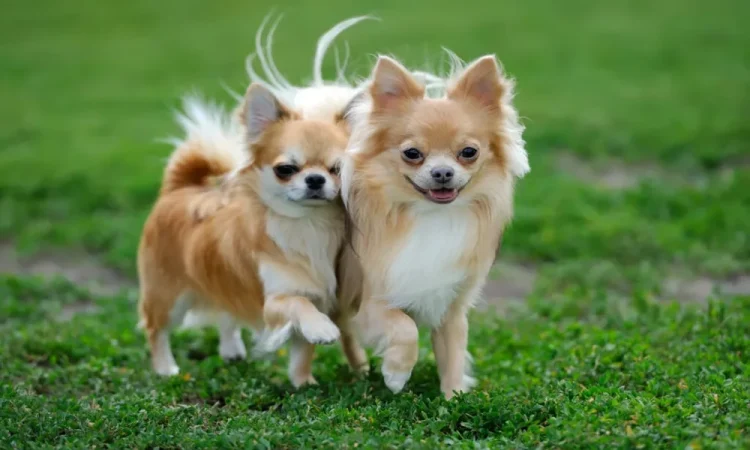
If you’re bringing home a Chihuahua puppy, the first four months are where everything gets decided. Not with big dramatic moments – it’s the little daily exposures that shape whether your dog grows up trusting the world or fearing it. Socialization is the single most important thing you’ll do during that window, and honestly, it’s the part most new owners underestimate.
Nail it, and you get a confident, easygoing companion. Skip it or rush it, and you’re looking at years of managing anxiety, reactivity, and stress – for both of you. The good news is it doesn’t take fancy equipment or a training degree. It takes consistency, timing, and a bit of planning.
If you’re still looking for the right puppy, it’s worth finding a breeder who already starts this work for you. A good one raises puppies inside a real home, around kids and everyday noises, and handles them from day one. You can see how Dreamer’s Pups approaches this at DreamersPups.com – their puppies grow up in a family environment with children, which gives them a real head start before they ever come home with you.
Either way, the socialization clock starts ticking the moment your puppy is born, and it doesn’t wait. Here’s how to make the most of it.
What You’ll Need Before You Start
Get this stuff together before your puppy comes home so you’re ready on day one. Scrambling for supplies while holding a nervous puppy is not the move.
- High-value treats, cut into pea-sized pieces
- A treat pouch you can wear on your hip
- A harness and lightweight leash sized for a toy breed
- A puppy socialization checklist to track new people, places, and sounds
- A quiet crate or pen that becomes your puppy’s safe zone
- A towel or blanket that smells like home
- A vet appointment booked for the first week
Pro Tip: Keep those treats tiny. A Chihuahua puppy’s stomach is genuinely small – like, really small – and you’ll be handing out a lot of rewards during each session. Pea-sized pieces let you keep training without your pup getting stuffed or putting on extra weight.
Step 1: Follow the Chihuahua Puppy Socialization Timeline
The socialization timeline for a Chihuahua puppy hinges on one narrow window. Miss it and the work gets a whole lot harder. And for a toy breed, there’s an added wrinkle: the critical socialization window overlaps with the vaccination window, and the two don’t play nicely together.
The Critical Window: 3 to 16 Weeks
The critical socialization period is that developmental stretch between roughly 3 and 16 weeks when a puppy’s brain is wide open – forming lasting impressions about what’s safe and what’s scary.
Here’s what’s happening during each phase:
- Weeks 3-5: Puppy learns the basics of being a dog from littermates and mom
- Weeks 6-12: The sweet spot for introducing new people, sounds, and surfaces
- Weeks 12-16: Fear responses start kicking in harder, so keep exposure gentle and positive
The Vaccination Conflict, and How to Bridge It
Here’s the frustrating part: the critical window closes around 16 weeks, but most puppies don’t finish their vaccine series until 16 to 20 weeks. So you end up hearing two things at once – “socialize now” and “keep your puppy off the ground.” It feels contradictory because, well, it is.
But there are ways to work around it:
- Carry your puppy in public. A sling, a carrier, or just your arms lets your puppy see, hear, and smell the world without touching unknown ground. This is honestly one of the best tools you have.
- Use a clean, controlled surface. Your own yard, a friend’s fenced yard where the dogs are vaccinated, or a washed blanket laid out on a park bench all work.
- Host playdates with known, vaccinated adult dogs. A calm, healthy adult dog in a private home is one of the safest and most effective socialization tools out there.
- Attend a puppy class that requires proof of vaccination and sanitizes the space. Ask about their cleaning protocol before you sign up – a reputable class will be happy to tell you.
- Avoid high-traffic dog areas. Dog parks, pet store floors, rest stops, anywhere unknown dogs eliminate – those are the highest-risk spots. Skip them until your vet gives the all-clear.
- Ask your vet for a risk assessment for your area. Parvovirus risk varies a lot by region, and your vet can give you real guidance for where you live.
Pro Tip: Keep a simple log of every new person, sound, surface, and animal your puppy meets. Owners who track exposure tend to notice gaps – like a puppy that’s met twenty adults but zero children, or one that’s heard the vacuum but never a hair dryer.
Post-Vaccination Strategies (16 Weeks and Beyond)
Socialization doesn’t just stop at 16 weeks. It shifts into maintenance mode. Once the vaccine series is done, keep widening your puppy’s world – just keep protecting that still-fragile little body.
- Walks on sidewalks and through parks
- Visits to pet-friendly stores
- Meeting calm adult dogs you know are vaccinated
- Short car rides to new neighborhoods
- Outdoor cafes and farmers markets, with your puppy in your lap or a carrier
- Visits to friends’ homes with different flooring, stairs, and furniture
A few Chihuahua-specific things to watch for at this stage:
- Watch the pavement temperature. If the ground is too hot for your bare hand to hold for five seconds, it’s too hot for your puppy’s paws. No exceptions.
- Avoid crowded events. A festival or parade is sensory overload for a young toy breed. Pick quiet weekday mornings instead.
- Keep an eye on the sky. Hawks and other large birds of prey will target very small dogs in open yards. Supervise outdoor time even in a fenced space – I know it sounds dramatic, but it happens.
- Keep going into adulthood. A Chihuahua that stops meeting new people at six months can still become reactive by two years. Socialization is a lifelong thing, not a checkbox.
Step 2: How to Introduce a Chihuahua to Children Safely
Teaching yourself how to introduce a Chihuahua to children safely is really about protecting both sides – the puppy and the kid. The rule is simple: control the puppy, teach the child, and never leave them alone together.
Teaching Kids Gentle Handling and Body Language Cues
Kids move fast and hug hard. That’s just how kids are. But to a small puppy, that stuff is terrifying. So before anything else, teach your kids to read body language.
Signs your puppy needs a break:
- Tucking the tail
- Licking lips or yawning when nothing’s happening
- Turning the head away
- Stiffening or freezing in place
Set these ground rules for your family:
- No picking up the puppy without an adult around
- No hugging or kissing the face
- No chasing or cornering
- Sit on the floor to play, so the puppy can leave when it wants
One more thing that’s worth saying out loud: never let a child carry a Chihuahua puppy across a hard floor. A drop from waist height can break tiny bones. Have kids sit down first, then place the puppy in their lap. It sounds overly cautious until you’ve seen what a fall can do.
Step 3: Controlled Exposure to New Environments and People
Controlled exposure is the heart of safe socialization. It means introducing new sights and sounds one at a time, at a distance your puppy can actually handle. For a 3-pound Chihuahua, distance and duration matter way more than variety.
Things to introduce gradually:
- Umbrellas opening
- Vacuum cleaner running in another room
- Doorbell and knocking sounds
- Strollers, wheelchairs, and bicycles
- People in hats, glasses, or uniforms
- Delivery trucks and garbage bins
- Shopping carts and rolling luggage
- A dropped metal bowl or clattering dishes
Protecting a Fragile Puppy in Public
Here’s the reality: a Chihuahua puppy can get seriously hurt by an enthusiastic adult dog, a careless stranger, or a kid who scoops it up too fast. You have to plan for that before you walk out the door.
- Carry, don’t walk, in unknown territory. Until your vet clears full ground contact, hold your pup or use a sling. Let it observe the world without touching it.
- Use a properly fitted harness, never a collar alone. A hard leash correction on a toy-breed neck can damage the trachea. This is not a theoretical risk.
- Keep the leash short in public. A retractable leash gives a larger dog room to close the gap before you can react. Short leash, close to your body.
- Screen every greeting. Ask the other owner: “Is your dog good with tiny puppies?” If there’s any hesitation, just decline and walk on. No awkwardness is worth a bad encounter.
- Position your body as a shield. Step between your puppy and an approaching dog. If a loose dog charges, pick your puppy up.
- Avoid dog parks until your puppy is grown and confident. One bad encounter during the critical window can undo weeks of careful work. It’s not worth the risk.
Step 5: Tips for House Training Stubborn Chihuahuas
House training a Chihuahua comes down to three things: routine, supervision, and patience. And let’s be honest – Chihuahuas aren’t really stubborn. They’re small, they’re sensitive, and they’re easy to miss when they’re signaling. The problem is usually us, not them.
Follow this schedule:
- Take your puppy out first thing in the morning
- Go out after every meal, nap, and play session
- Take your puppy out every 1-2 hours during the day
- Go out once in the middle of the night for young pups
- Praise and treat within two seconds of success – timing matters
Common Mistakes to Avoid When Socializing Chihuahua Puppies
- Waiting until vaccines are complete. The critical window closes at 16 weeks. Carry your puppy and use safe, low-risk settings before then. Waiting is not the safe choice – it’s actually the risky one.
- Overwhelming a shy puppy. Flooding a fearful puppy with crowds or chaos makes the fear worse, not better. Slow and gentle wins.
- Letting strangers grab the puppy. Reaching over the head is threatening to a small dog. Have people offer a treat at chest level instead and let the puppy come to them.
- Skipping the “Small Dog Syndrome” myth check. Small dogs aren’t born bossy. They get that way when owners let them do things they’d never allow in a big dog. Hold the same standards.
- Stopping too early. Socialization is a lifelong habit. Keep introducing new things well into adulthood.
- Punishing growls. A growl is a warning – it’s your puppy telling you it’s uncomfortable. Punish the growl and you get a dog that bites without warning. That’s strictly worse.
Watch Out: Never use a shock collar or physical correction on a Chihuahua puppy. Aversive tools create lasting fear and damage the trust you’re working so hard to build. There’s no scenario where it’s worth it.
A well-socialized Chihuahua isn’t luck. It’s the result of steady, gentle, reward-based work during those first few months – and a breeder who laid the groundwork before the puppy ever came home. If you can find a breeder who raises puppies in a home around kids, handles them daily, and documents their health, you’re already ahead.
Frequently Asked Questions
Are Chihuahuas suitable for families with children?
Yes – when they’re socialized early. Chihuahuas that are raised around kids from 3 to 16 weeks learn to trust gentle handling and tend to stay calm around them. Their small size does make them fragile, though, so teach children to sit on the floor and pet softly. Puppies raised in family homes, like those from Dreamer’s Pups, already have a head start on this kind of exposure before they go to their new families.
How can I socialize my Chihuahua puppy effectively?
Follow the socialization timeline: start controlled exposure at home from around 3 weeks, introduce new surfaces and sounds by 8 weeks, and add safe vaccinated dogs and strangers by 12 to 16 weeks. Pair every new experience with treats and praise. Keep sessions short – under five minutes – and watch for nervous behavior or signs of overstimulation.
What are the best tips for house training stubborn Chihuahuas?
Take your Chihuahua out every two hours, plus right after meals and naps. Reward immediately with a treat and calm praise when they go outside. Use a consistent potty spot and avoid punishment – it tends to make small breeds more anxious, not more cooperative. Crate training helps a lot. Most Chihuahuas need three to six months of consistent routine before they’re reliable, so settle in for the long game.
How do you prevent a Chihuahua from becoming snappy?
Snapping almost always comes from fear or being handled roughly. Use fear-free, reward-based training and let your puppy approach new people on its own terms. Teach children gentle handling, avoid picking the puppy up from above, and never punish growls – they’re early behavioral cues, not bad behavior. Consistent positive associations from 3 to 16 weeks go a long way toward preventing snappiness later.