
Sleep is a must for your dog’s overall health and well-being. Like humans, dogs still need enough rest to support their growth and development. The exact amount of sleep a dog needs can change. There are several factors that all play a role in how much dogs should sleep (犬 の 睡眠 時間). Use this guide to fully understand the importance of sleep for your dogs.
Age Affects a Dog’s Sleeping Habits
Every dog is different. That’s why it is important for you to understand how important sleep is to their growth and development. Age is one of the determining factors. They may require shorter or longer sleep depending on their age.
Why Puppies Need the Most Sleep
Puppies tend to require more sleep than adult dogs. That’s mostly because their bodies are developing fast. A lot of puppies will sleep around 18 to 20 hours per day. They only wake up to eat, play, and take bathroom breaks. Those shorter naps throughout the day help with healthy development.
Understanding Adult Dog Sleep Patterns
Most healthy adult dogs generally sleep about 12 to 14 hours a day. Dogs that are more active often show a balanced sleep rhythm. Meanwhile, dogs who spend most of the day indoors may sleep more, sometimes simply because of boredom. Routine tends to encourage better sleep habits in adult dogs.
Why Senior Dogs Sleep Longer
When dogs start aging, they naturally slow down and end up taking more rest. In general, senior dogs might sleep up to 18 hours each day. That’s mainly because they get tired more easily. You may also notice that they start to have age-related health issues. This can change how long they need to rest.
How Breed Affects Your Dog’s Sleep Needs
Different breeds come with different energy levels. This changes how much sleep they require. Big dogs tend to sleep more. Also, very active dog breeds need additional rest. Their bodies just need extra recovery time in between.
Working or sporting breeds might rest longer during the day, especially if they have spent enough energy. Meanwhile, companion breeds may like shorter naps throughout the day. Figuring out your dog’s breed traits can make it easier to judge what’s normal in their sleep routine.
Why Daily Exercise Improves Your Dog’s Sleep
Being active regularly is one of the most effective ways to promote good sleep. Doing activities can helps dogs burn energy. This can help them stay mentally occupied, too. Dogs that get enough physical activity tend to sleep more deeply and for longer periods.
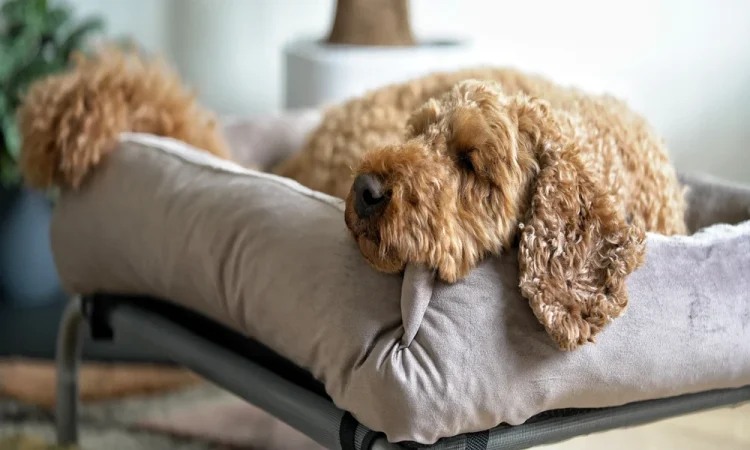
In a lot of cases they are also less prone to behavior issues that show up from boredom, or too much unused energy. A regular sleep schedule for your dog is very important. A quiet, comfortable sleeping spot helps your dog rest more effectively. Put a supportive dog bed in a calm area of the home.
Monitor Changes in Your Dog’s Sleep Patterns
When your dog sleeps way more than usual, struggles to settle down, wakes up a lot, or shows strange and restless behavior at night, these are concerns that should not be taken lightly. It can be caused by a number of reasons – pain, sickness, anxiety, or another health issue. Pay attention to what “normal” sleep pattern looks like for them.
Conclusion
Good sleep matters for all dogs. This can help with their overall well-being. When you understand how age, breed, daily activity, and overall health shape their sleep needs, it’s easier to support a steady routine. If you have worries, do not hesitate to talk to a veterinarian. It is important that you help your dog enough sleep on a daily basis.